
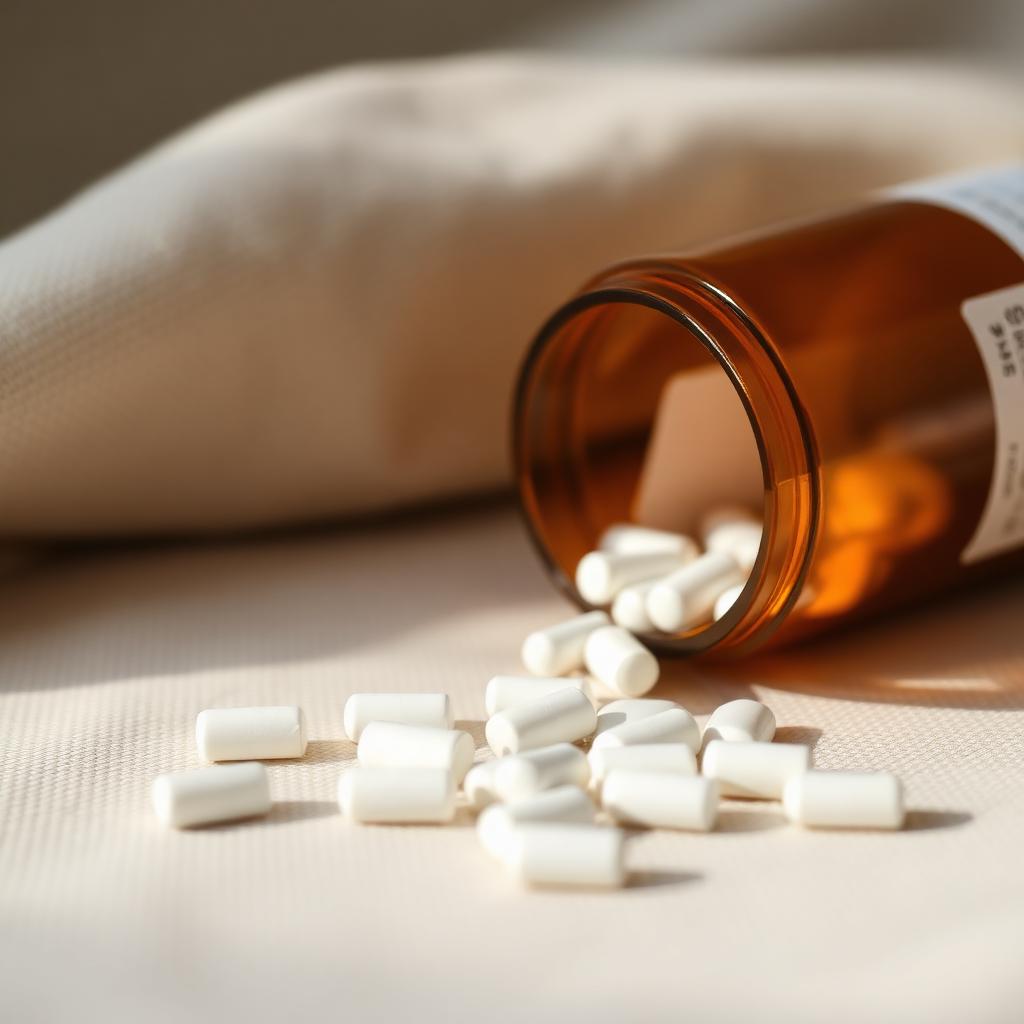
Panic disorder is a brutal cycle; it's easily one of the most disabling things I see in clinic, yet remarkably treatable once we get the protocol right. Most of the time, SSRIs and therapy do the heavy lifting. But for the patients I work with whose panic attacks feel like a lightning strike—frequent, sudden, and completely debilitating—benzodiazepines can be an essential part of the toolkit. The trick, honestly, is knowing exactly when these meds help and where they start to cause trouble. [1]
Understanding benzodiazepines
Think of benzodiazepines as a volume knob for your central nervous system. They work by boosting GABA, which is basically the brain's primary 'chill out' neurotransmitter. This leads to a quick drop in that physical agitation and chest-tightening tension that defines a panic attack. In Florida, we mostly use drugs like alprazolam (Xanax), clonazepam (Klonopin), and lorazepam (Ativan). They're all in the same family, but they differ in how fast they hit you and how long they stick around in your system. [2]
Their role in treating panic
- They can shut down an active panic attack in about 15 to 30 minutes.
- They help dial back that 'fear of the fear'—the constant worry that another attack is around the corner.
- They're a great bridge during those first 4–6 weeks while we wait for an SSRI to actually kick in.
- They give people the confidence to start going back to places they’ve been avoiding out of fear.
How I typically prescribe them
Look—in modern medicine, we rarely use these as a lifelong daily fix. Usually, I'm looking at two specific strategies: a short-term daily dose while we ramp up an SSRI (maybe 4–8 weeks tops), or as-needed use for true emergencies. I generally prefer longer-acting options like clonazepam over Xanax. Why? Because short-acting meds tend to wear off quickly, often causing a 'rebound' effect that makes the anxiety come back even worse between doses. [3]
The honest risks
Benzos are effective because they're powerful, but that power is exactly where the risk lives. If you take them every day for months, your brain starts to rely on them. Tolerance builds up, you find yourself needing a higher dose to get the same relief, and stopping cold turkey can be dangerous—we're talking potential seizures. Also, mixing these with opioids or a few too many drinks can be fatal. They aren't 'set it and forget it' medications; they affect your memory, your balance, and your ability to drive safely. [1]
When we look for other options
- If there's a personal history of substance use or addiction issues.
- Anyone currently taking opioid pain medications.
- Older patients who are at a high risk for falling and breaking a hip.
- People who have to stay sharp behind the wheel or operate heavy machinery for work.
Our clinical approach at Vitality Reset Medical
Our Florida program focuses on a layered approach: we use first-line SSRIs and behavioral strategies first, adding benzodiazepines only when they’re clinically necessary for a short window. I review every script against your medical history and we stay on top of monitoring for any signs of tolerance. Just a reminder—these are controlled substances, so you must be located in Florida for us to manage them.
The bottom line
Benzodiazepines aren't the boogeyman, but they aren't a silver bullet either; they’re just a tool. When we use them carefully and briefly, they can break that exhausting cycle of panic and buy us the time we need for long-term treatments to do their job. It's about using them the right way, for the right amount of time.
Available across Florida
Reset My Vitality is a Florida-licensed telehealth practice. The treatments covered in this guide are available to patients statewide, with medication shipped directly to your door. Explore the program for your city:
- Mental Health in Miami, FL
- Mental Health in Miami Beach, FL
- Mental Health in Fort Lauderdale, FL
- Mental Health in West Palm Beach, FL
- Mental Health in Boca Raton, FL
- Mental Health in Orlando, FL
- Mental Health in Tampa, FL
- Mental Health in Jacksonville, FL
- Mental Health in Naples, FL
Key Clinical Studies
A short, responsible summary of recent peer-reviewed research relevant to this topic. This is for education only, not medical advice.
American Journal of Psychiatry · 2006
Key finding: In the STAR*D trial, sequential, personalized antidepressant treatment achieved remission in roughly two-thirds of patients with major depression over up to four steps.
Why it matters: Supports an iterative, clinician-guided approach to medication management for anxiety and depression.
View studyComparative efficacy and acceptability of 21 antidepressant drugs
The Lancet · 2018
Key finding: A meta-analysis of 522 trials found that all 21 antidepressants studied were more effective than placebo for major depression in adults, with meaningful differences in efficacy and tolerability.
Why it matters: Reinforces that medication choice matters and benefits from individualized prescribing.
View studyScientific References
Peer-reviewed studies and reviews cited in this article.
- [1]Glue P, et al. Extended-release ketamine tablets for treatment-resistant depression. Nat Med. 2024. View study
- [2]Yavi M, et al. Ketamine treatment for depression: a review. 2022. View study
- [3]Tully JL, et al. Ketamine treatment for refractory anxiety: A systematic review. 2022. View study