
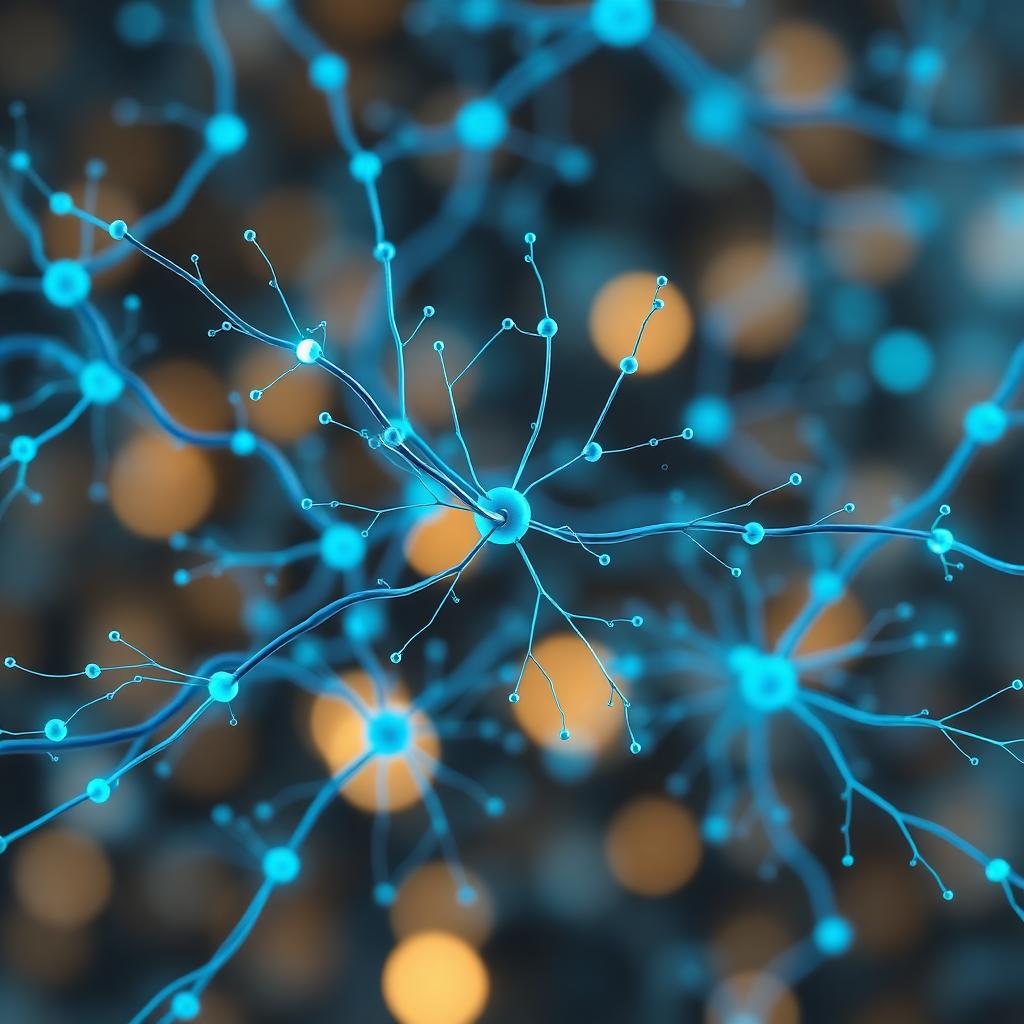
For the better part of forty years, we've basically been pounding the same drum: serotonin. If you've been stuck in that cycle of trying different SSRIs, you know how long they take to work, assuming they work at all. Ketamine isn't just another flavor of that; it targets a totally separate system in the brain, which is exactly why our patients often feel a shift in hours rather than months. [1]
Glutamate: flipping a different switch
Think of glutamate as the brain's main gas pedal—it's the neurotransmitter that handles learning, memory, and how we form new connections. When someone has been battling chronic depression or anxiety for years, that system gets worn out. Parts of the prefrontal cortex can actually shrink, and those vital connections between neurons start to wither away. [2]
When we administer ketamine, it briefly blocks the NMDA receptors. Don't let the science-speak bore you; that short, controlled pause creates a quick surge of glutamate through a different channel called the AMPA receptor. This is what finally tells the brain's internal repair crew to get to work. [3]
BDNF and the 'fertilizer' effect
A few hours after a therapeutic dose, your brain starts producing more brain-derived neurotrophic factor (BDNF). In the clinic, I usually just call this 'Miracle-Gro' for your neurons. It helps keep your current cells healthy and—crucially—sparks the growth of new synaptic connections in the prefrontal cortex and hippocampus, the two areas that depression tends to beat up the most. [1]
This isn't just theory; we're seeing physical rebuilding here. While standard antidepressants are busy slowly tweaking chemical levels, ketamine is helping the brain physically wire itself back together. It's structural, not just emotional.
The speed of relief
- It's common to see mood improvements within 24 hours of that very first session.
- That crushing noise of anxiety often feels significantly quieter the same afternoon.
- Motivation and sleep usually start to normalize within that first week of treatment.
- The benefits stack over time—it's the full protocol that creates the lasting foundation.
The flexibility window
During a session, the dose we use creates a mild dissociative state. It's a gentle stepping-back from your own narrative. I hear patients tell me all the time that they can finally look at a painful memory or a loop of 'what-ifs' without the usual emotional gut punch. We call that 'psychological flexibility'—it's a massive window of opportunity for therapy to actually stick.
The takeaway
Ketamine is playing a different game than SSRIs by focusing on glutamate and neuroplasticity. If you've felt like traditional meds haven't touched your symptoms, it’s probably because you were trying to fix a hardware problem with a software patch. For many of the folks I see in Florida, this different biological pathway is the reason they finally find some air.
Available across Florida
Reset My Vitality is a Florida-licensed telehealth practice. The treatments covered in this guide are available to patients statewide, with medication shipped directly to your door. Explore the program for your city:
- Mental Health in Miami, FL
- Mental Health in Miami Beach, FL
- Mental Health in Fort Lauderdale, FL
- Mental Health in West Palm Beach, FL
- Mental Health in Boca Raton, FL
- Mental Health in Orlando, FL
- Mental Health in Tampa, FL
- Mental Health in Jacksonville, FL
- Mental Health in Naples, FL
Key Clinical Studies
A short, responsible summary of recent peer-reviewed research relevant to this topic. This is for education only, not medical advice.
Efficacy of ketamine therapy in the treatment of depression
Indian Journal of Psychiatry · 2019
Key finding: Subanesthetic ketamine (0.5 mg/kg IV) produced robust, rapid antidepressant effects that were visible immediately and largely sustained at one month in patients with depression.
Why it matters: Supports the rapid onset and structured dosing protocol used in our at-home low-dose ketamine program.
View studyExtended-release ketamine tablets for treatment-resistant depression
Nature Medicine · 2024
Key finding: 180 mg twice-weekly extended-release ketamine tablets significantly improved MADRS scores vs placebo in treatment-resistant depression, with good tolerability and mostly at-home dosing.
Why it matters: Demonstrates that controlled at-home ketamine delivery can be both safe and effective for difficult-to-treat cases.
View studyKetamine vs ECT for non-psychotic treatment-resistant major depression
New England Journal of Medicine · 2023
Key finding: Intravenous ketamine was non-inferior to electroconvulsive therapy for non-psychotic treatment-resistant depression, with roughly 55% of ketamine patients showing sustained improvement.
Why it matters: Reinforces ketamine as a credible option for patients who have not responded to traditional antidepressants.
View studyScientific References
Peer-reviewed studies and reviews cited in this article.
- [1]Glue P, et al. Extended-release ketamine tablets for treatment-resistant depression. Nat Med. 2024. View study
- [2]Yavi M, et al. Ketamine treatment for depression: a review. 2022. View study
- [3]Tully JL, et al. Ketamine treatment for refractory anxiety: A systematic review. 2022. View study